



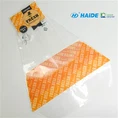

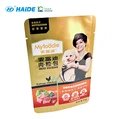
Advantages and Disadvantages of Aluminum Foil in the Flexible Packaging Industry:
Advantages:
High Barrier Performance: Aluminum foil exhibits excellent barrier properties, effectively preventing the intrusion of oxygen, moisture, and light, thereby safeguarding packaged products from external environmental influences.
Strong Preservation Performance: Aluminum foil provides robust isolation against oxygen, moisture, odors, etc., contributing to the extended shelf life of perishable products, especially in the food industry.
Antioxidative Properties: Aluminum foil itself possesses good antioxidative characteristics, effectively shielding packaged products from oxidation and ensuring product quality.
Recyclability: Aluminum foil is a recyclable material, aiding in reducing resource waste and aligning with sustainable development principles.
Versatile Processing: Aluminum foil is easily processed and shaped, suitable for various packaging forms such as pouches, rolls, providing greater design flexibility.
Disadvantages:
Relatively High Cost: Compared to some plastic materials, the production cost of aluminum foil is relatively high, potentially impacting the overall packaging cost.
Heavy Weight: Aluminum foil is relatively heavy, which may increase transportation and handling costs and have environmental implications.
Susceptible to Wear: The surface of aluminum foil is relatively soft, making it susceptible to friction and abrasion, leading to wear on the packaging's appearance.
Environmental Impact: The production process of aluminum may have some environmental impact, including energy consumption and emissions.
Not Suitable for Microwave Heating: Aluminum foil is not suitable for microwave heating, limiting its application in some food packaging scenarios.